
Fighting Digital Crime in Southeast Asia: Blockchain’s Role in Identity Verification


In today’s article, Coinmooner wants to discuss a relevant and vital topic recently emerging in Asia. The focus is on security issues in the network and how using blockchain technology for identity verification can be a crucial step toward a safer Web3. This topic is becoming especially important as the growing digital threats call for new approaches and solutions to protect users and their data.
At the recent Asian International Security Summit, Deputy Minister Hamidi highlighted that criminals increasingly use new and advanced technologies, including artificial intelligence (AI), to carry out complex and destructive attacks. In his speech, he shared alarming data published on the Sumsub platform, revealing that 2024 identity theft cases in Southeast Asia rose by 120%. Countries like Singapore, Thailand, and Indonesia were particularly affected, significantly increasing such crimes. This indicates that fighting digital threats should be a top priority for regional governments and organizations.
According to Hamidi, one of the most common types of crimes in Malaysia is the use of fake IDs and passports, as well as data theft from personal accounts and the creation of deepfakes. These threats pose a danger to citizens and businesses. In response, the deputy minister suggested establishing a national identity verification system based on blockchain technology. He believes this system would enhance the security of all digital transactions, positively impacting the region’s economic stability, which covers over 670 million people. With its high level of security and data immutability, blockchain could become a key tool in preventing such crimes.
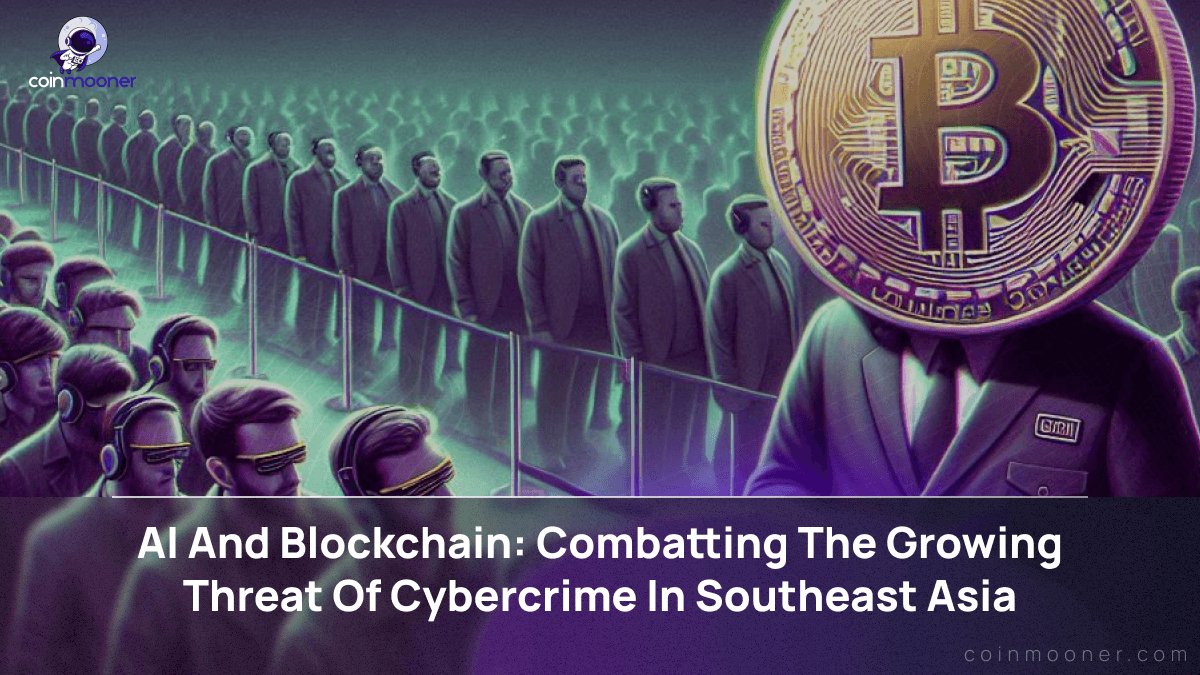
Digital Security in the Age of AI: How Blockchain Can Safeguard Web3
Hamidi is confident that implementing blockchain technology will significantly reduce the volume of fraud related to personal identification. Each year, victims of such crimes lose billions of dollars, and creating a secure identification system could be a crucial step in combating this issue. The deputy minister also emphasized the need for coordinated efforts from all stakeholders: governments, law enforcement agencies, and industry leaders. Instead of lengthy discussions and theoretical debates, concrete actions should be taken to develop and implement a new blockchain-based system that ensures data protection and helps fight fraud.
Malaysia's Deputy Prime Minister emphasized using artificial intelligence to predict and prevent identity theft. He proposed that ASEAN countries create a task force to develop strategies and methods to combat cybercrime. This would help coordinate data protection efforts and counter increasingly complex and dangerous cyber threats.
Interestingly, a few years ago, Malaysian authorities began exploring blockchain technology to improve agricultural product tracking and quality control. In 2019, the country also simplified the process of issuing work visas to attract blockchain experts, which was an essential step for developing the industry and implementing innovative technologies. These initiatives highlight Malaysia's and other countries in the region’s commitment to using advanced technologies to address pressing issues and ensure security.
Coinmooner would like to remind everyone that security is one of the most critical aspects of the Web3 industry. Given this sector's rapid growth and development, it is essential to take all possible measures to protect users' data and financial transactions. We encourage all our readers to use the most advanced security methods to ensure maximum protection for themselves and their finances. Only with this approach can you reliably safeguard against potential threats in the digital world.


