
Could meme coins ever be a long-term investment?

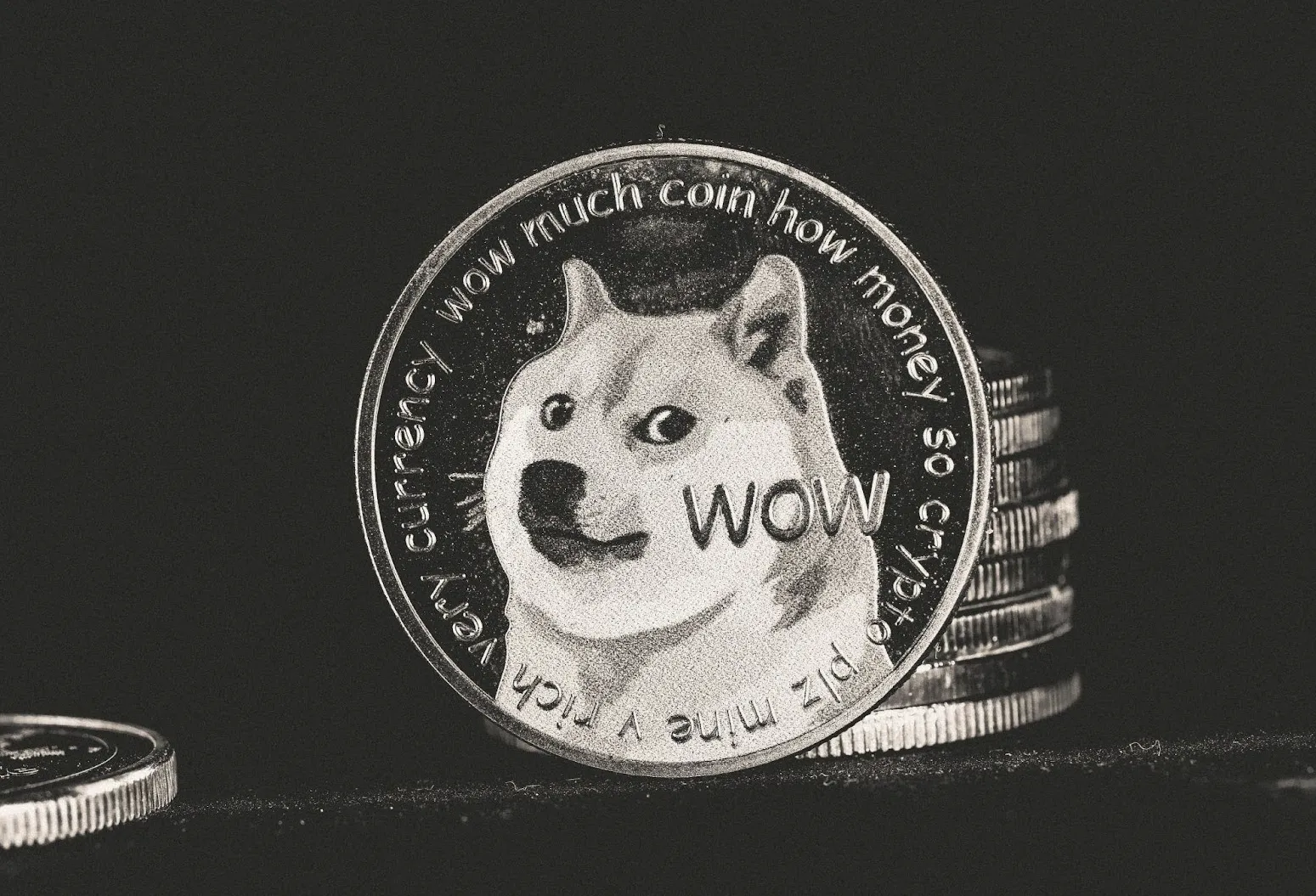
Back in 2013, Dogecoin started as a simple joke. Later that same year, this “joke” underwent an increase in both trading volume and value thanks to the dedicated community that backed it. In the years that have followed, meme-based digital coins have turned into a multi-billion dollar market.
The recent surge of Trump Coin in January 2025 has added another layer to the meme coin narrative. The launch sent shockwaves through the crypto world. It showed just how much star power and politics can shake up prices overnight.
Meme coins are known to provide quick returns, but could they serve as a long-term investment? Let's find out!
Understanding Meme Coins
Meme coins are cryptocurrencies inspired by internet jokes and social media trends.
While Bitcoin or Ethereum were created to solve specific technological problems, meme coins are minted for entertainment purposes only. Their value comes primarily from community engagement and social media buzz rather than technical utility.
What makes meme coins unique is their passionate communities. When thousands of people rally behind a coin, sharing memes and promoting it across social platforms, the price can skyrocket.
This happened with Dogecoin when Elon Musk started tweeting about it - it happened again with Shiba Inu when retail investors poured money into the token.
Keeping track of how these tokens evolve is easier with platforms like coins.meme, which offers insights into their performance and investor sentiment.
Meme Coins, Traditional Cryptocurrencies, and Long-Term Potential
The cryptocurrency market has always been a space of innovation and speculation. While Bitcoin (BTC) and Ethereum (ETH) were built on solid technological foundations, meme coins often ride the waves of internet culture.
Utility
Bitcoin was designed as digital gold. It is seen as a decentralized alternative to traditional finance. Ethereum took things further by introducing smart contracts. It powers an entire ecosystem of decentralized applications (dApps), NFTs, and DeFi platforms.
Meme coins, on the other hand, often begin as community-driven jokes. Not as technological innovations. Coins like Shiba Inu (SHIB) and Floki Inu have tried to carve out a niche by integrating NFTs, staking rewards, and DeFi applications. Still, they remain largely dependent on online hype rather than intrinsic value. Their long-term survival hinges on whether they can evolve beyond their meme origins and offer real-world applications.
Volatility:
Crypto markets are notorious for volatility. But there’s a big difference between established cryptocurrencies and meme coins. Bitcoin and Ethereum have matured into stable assets with institutional backing. Their long-term adoption has positioned them as hedges against inflation and viable investment vehicles.
Meme coins, however, are a different story. Their prices are often driven by social media trends, influencer endorsements, and viral movements. Dogecoin (DOGE) skyrocketed thanks to Elon Musk’s tweets. It experienced steep declines when the hype faded. This makes meme coins an attractive but high-risk speculative asset, prone to sudden booms and crashes.
Adoption:
Bitcoin and Ethereum have reached mainstream adoption. Hedge funds, tech companies, and even governments accepted them as legitimate financial assets. Institutional support has strengthened their credibility. This made them a cornerstone of the blockchain economy.
Meme coins, however, thrive on enthusiasm. Their success is tied to community-driven movements and trends. Retail investors create demand rather than traditional financial institutions. While some businesses have started accepting Dogecoin and Shiba Inu for payments, their adoption is nowhere near the scale of Bitcoin and Ethereum.
Innovation
Traditional cryptocurrencies continuously evolve to address scalability, security, and efficiency. Ethereum’s transition to proof-of-stake (PoS) drastically improved its energy efficiency. Bitcoin’s Lightning Network enhances transaction speed and cost-effectiveness.
Meme coins often rely on marketing rather than innovation. Some projects attempt to stay relevant through staking, gaming, and NFT collaborations. Only a few have introduced groundbreaking technological advancements. Their long-term success will depend on whether they can transition from speculative tokens to functional assets.
Risk Factors to Consider
Meme coins have made headlines for turning small investments into life-changing fortunes overnight. But behind the hype and viral success, there are some significant dips and crashes. While some projects manage to evolve, many crash just as quickly as they rise. Here’s what makes them such a risky bet.
Wild Market Swings
If there’s one thing meme coins are known for, it’s their unpredictable volatility. Prices can skyrocket by 1000% in a matter of hours—only to plummet by 90% the next day. Unlike Bitcoin or Ethereum, which have growing institutional backing, meme coins live and die by social media trends. If you’re not careful, you could get caught in a price crash before you even have a chance to sell.
The Community-Driven Rollercoaster
With traditional investments, factors like market demand, innovation, and institutional adoption help drive long-term growth. But with meme coins, community interest is everything. The moment people lose interest and move on to the next viral trend, prices collapse. It’s a boom-and-bust cycle, where early buyers cash in while late investors are left holding the bag.
Real-World Utility
Bitcoin is digital gold. Ethereum powers smart contracts. Meme coins? Most don’t have a clear use case. Some projects attempt to build ecosystems around their tokens—like Shiba Inu’s DeFi platform—but many exist purely as speculative assets. Without real-world applications, long-term growth remains a long shot.
Potential for Long-Term Value
Meme coins have taken the crypto world by storm. But can they evolve into something more than just internet-fueled speculation?
In January 2025, President Donald Trump launched the $TRUMP coin ahead of his second-term inauguration. Within days, its value tripled. It pushed its market cap beyond $14 billion.
Whether it was a bold political statement or just another viral trend, one thing was clear: meme coins had entered a new era. This event legitimized the idea of meme coins as an actual asset class, drawing in new investors and forcing skeptics to take them more seriously.
Some meme coins have built strong brand recognition, which could help them stick around. Projects like Shiba Inu (SHIB) have already made strides in this direction. SHIB isn’t just a meme anymore. It’s integrated into staking and yield farming. It also has its own Layer 2 blockchain, Shibarium. Meanwhile, other meme coins are finding roles as payment methods, gaming tokens, and DeFi assets.
For now, Bitcoin and Ethereum remain the gold standard of crypto investments. If meme coins can break into mainstream financial systems, they could move beyond their speculative nature. Integration with major payment platforms, exchanges, or real-world businesses would give them much-needed stability and long-term relevance.
Conclusion
Meme coins have always walked a fine line between viral hype and real financial potential. While some remain nothing more than short-lived internet fads, others are slowly carving their way. The ones that adapt, build utility, and secure mainstream adoption may offer future power.
For investors, the key is separating hype from substance. Meme coins will continue to surprise us, for better or worse.
FAQ
How long do meme coins last?
Most meme coins burn bright and fade fast. Think of them like viral TikTok trends. Super hot for a few weeks, and then everyone moves on to the next big thing. Most crash and burn within 6 months to a year.
Do meme coins have a future?
Meme coins aren't going anywhere, but they need to grow up. The days of slapping a dog picture on a token and watching it moon are probably behind us. The ones that'll stick around are the ones that actually build something useful. Think about it like social media platforms. MySpace was huge, but Facebook won because it kept adding features people actually wanted.
What defines a meme coin?
Meme coins are cryptocurrencies that originate from internet memes or have humorous characteristics. They often embody playful, light-hearted themes that resonate with online communities.


